
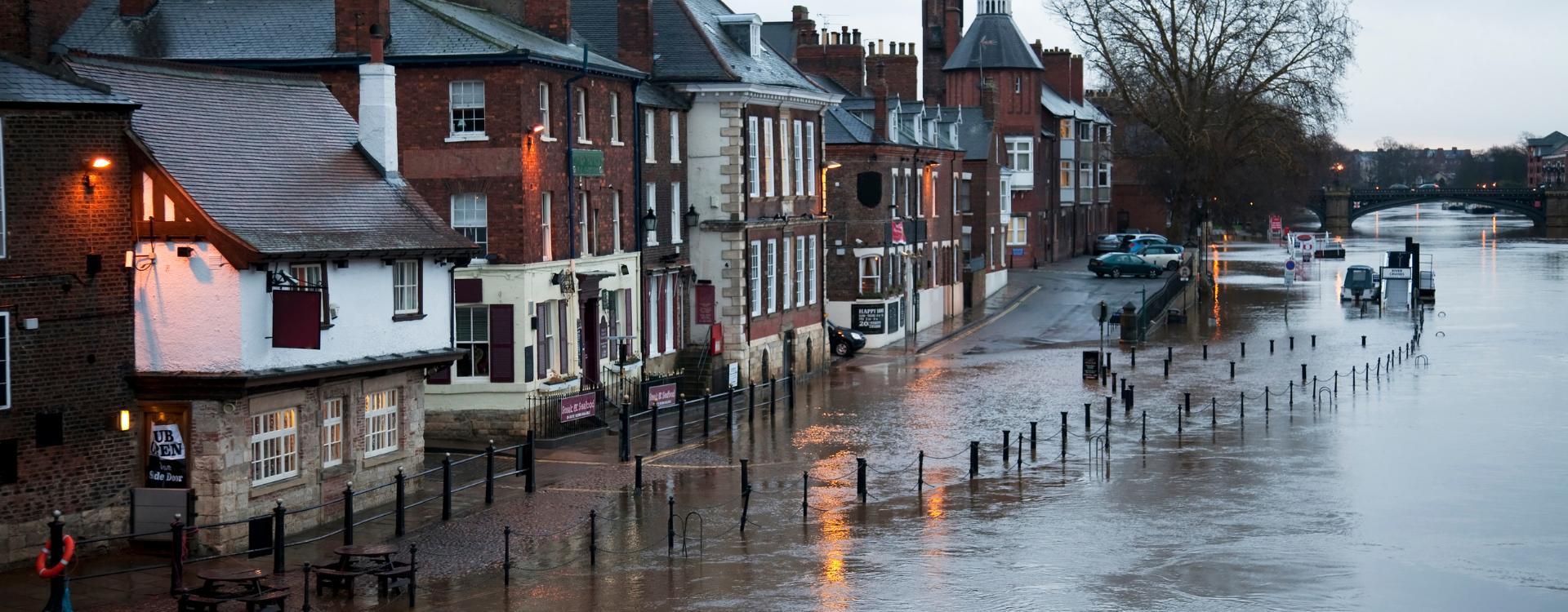
The UK has already been battered by wind and rain this year,[1] with more likely to come over the winter period. Storms can be detrimental to businesses, as they may be forced to close due to flooding or property damage. In this blog we look at ways in which you can prepare your business for the winter season, so you can ensure that things keep running smoothly into the new year.
Make sure you have a plan
It’s always best to be prepared, even if storms aren’t forecast for your area yet. Make sure that you have a business continuity plan in place, and that your employees know what to do in the event of an emergency. It should be reviewed regularly and kept in a safe place that won’t be affected by flooding.
Reducing your flood risk
It’s never too early to prepare for flooding. You can help to reduce possible future damage by installing demountable flood barriers or boards for doors and openings, and fitting automatic flood-proof air bricks or covers to prevent water ingress. Install resilient flooring where possible.
Use heights to your benefit by raising electrical fuse boxes, sockets and wiring above likely flood levels, and store key stock and IT equipment in high places – make sure you also back up data regularly to an offsite location.
What to do in the event of flood warnings
The first thing to do if flooding is imminent for your area is to close the business. This way, you avoid any employees becoming trapped during the flood – even if your property is safe, the access roads may not be. If people do remain in your building, make sure they are well-stocked with essentials such as food, water, first aid, mobile phones and a battery-powered radio. Company vehicles should also be moved to higher ground.
If advised, switch off your gas, water and electricity supplies, and have emergency lighting and small generators ready. Any valuable stock and equipment should be relocated to a safe area – preferably as high and secure as possible.
Communication is key during times of emergency. Keep your customers and suppliers informed as the situation develops – you can send out email blasts to customers to let them know you’ll be closed ahead of time. You should also store key contact numbers in your phone, including your insurance claims helpline, local authorities and utilities.
Recovering after a flood
If you have business interruption insurance in place, this will help you recover after a flood. But there are also steps you can take yourself to help you get back on track faster.
Ahead of time, make sure you have an up-to-date inventory of equipment and contents, so you can quickly identify any damaged stock that needs replacing. It’s also worth identifying alternative premises for staff or storage in advance, just in case your property needs extensive renovations due to storm damage.
We’ve already established that communication is key during an emergency, but it’s still as important as ever in the aftermath. You should have contact lists for estate agents, builders, contractors and IT specialists, and you should keep colleagues informed and update major customers and suppliers regularly. An email distribution list can help, provided it is GDPR compliant. Make sure you’re also logging all actions and expenses to support your insurance claim – this will help things go as smoothly as possible.